Bringing Communitas '26 to Life
The LexNova Guild is something altogether different in the global legal space.
It has a political edge, a sense of values-driven purpose, and an understanding that lawyers can be agents of change in society. So when it came time to bring Communitas into the world, I knew the setting had to match that ambition — it needed to feel liminal, the kind of place that loosens your grip on the everyday and opens you to something bigger. Tasmania in mid-winter is all its own: gothic, Georgian, atmospheric, and watchful. It suited the spirit of our work at LexNova perfectly.
There was also something democratic about the choice. Sydney, Brisbane and Melbourne are well-served by legal events. Communities in Tasmania, South Australia, and the Northern Territory rarely host marquee legal events, and that felt like a meaningful gap to close. Communitas wasn't just going to be for progressive lawyers — it was going to make a point about who gets to belong to that conversation.
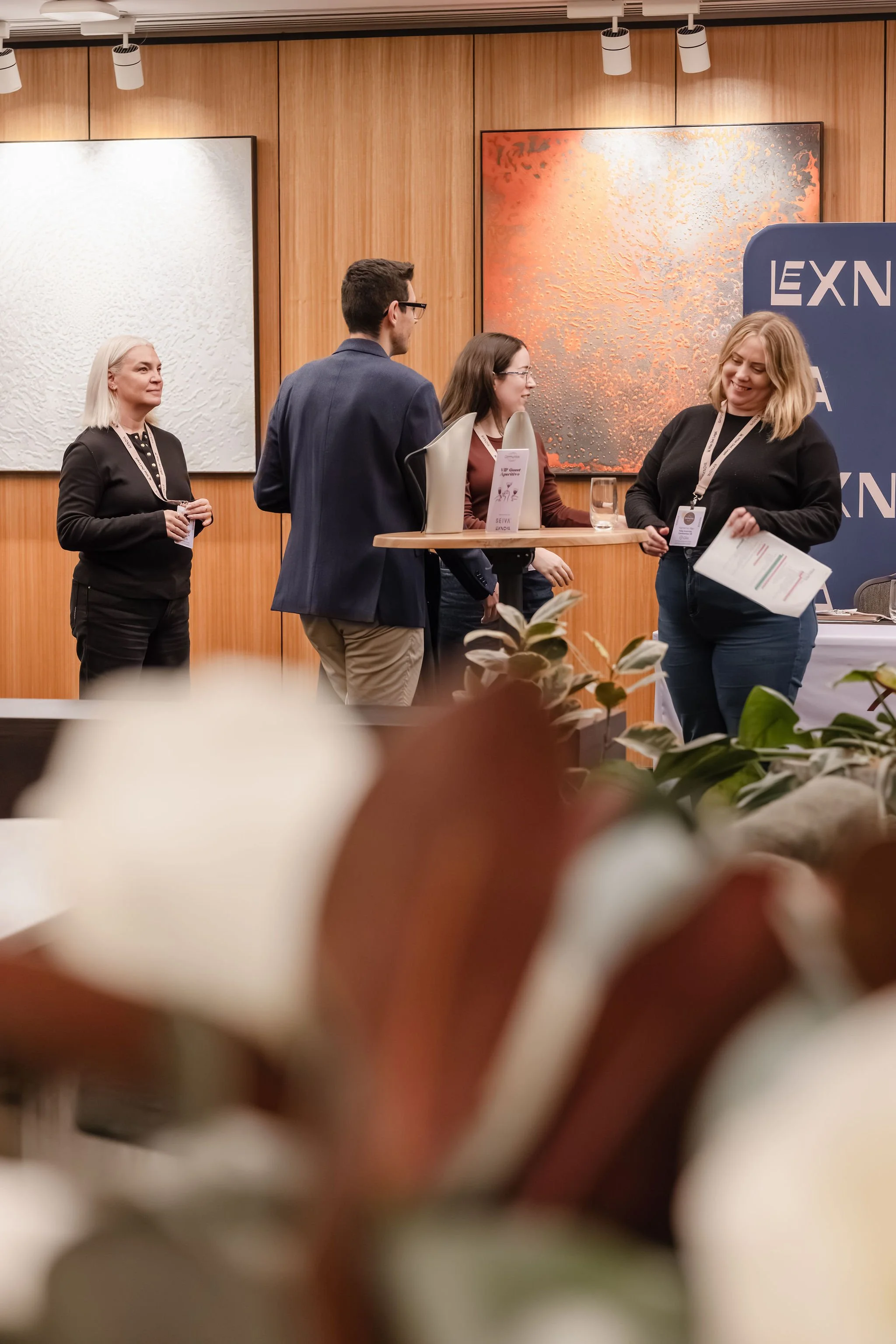

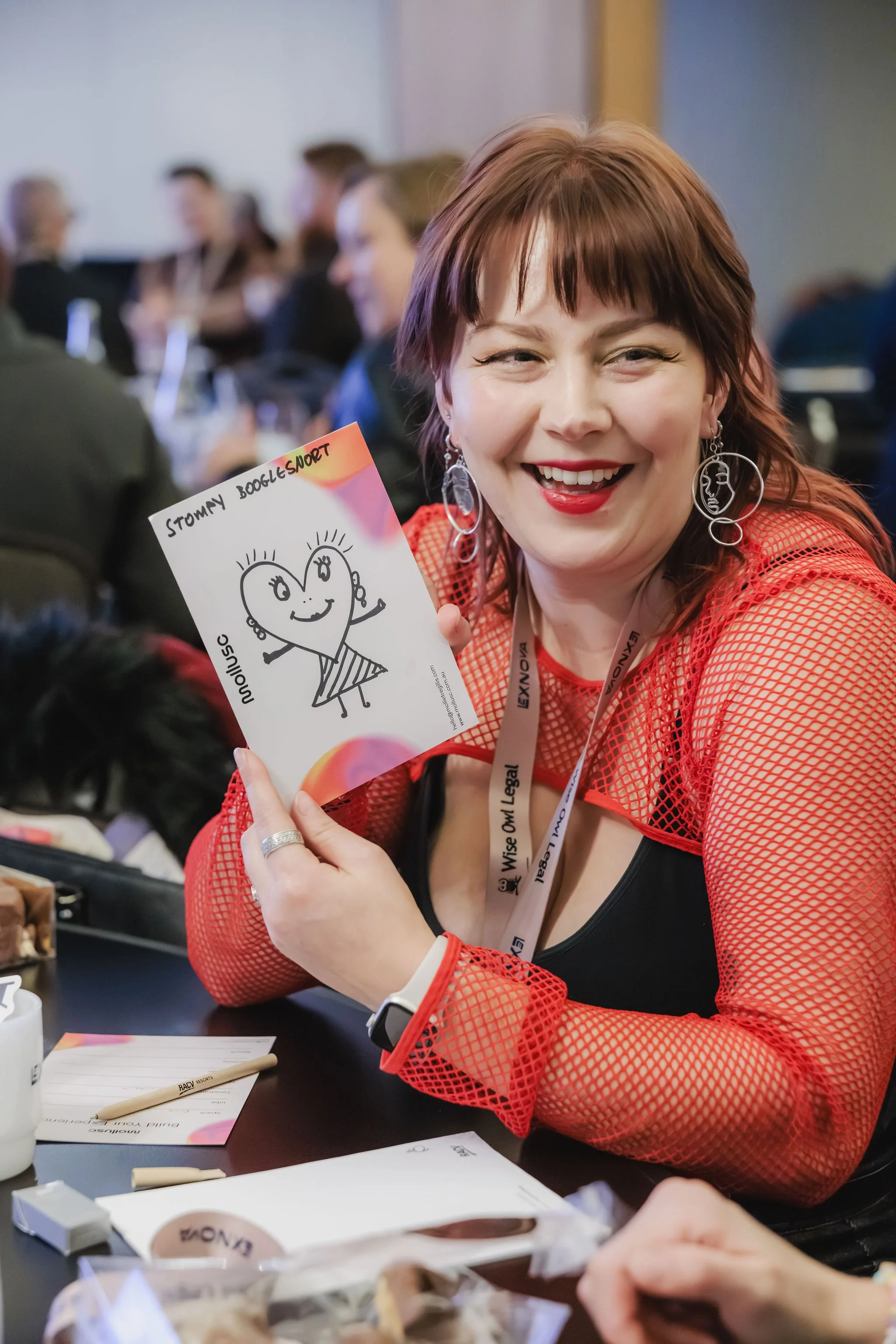
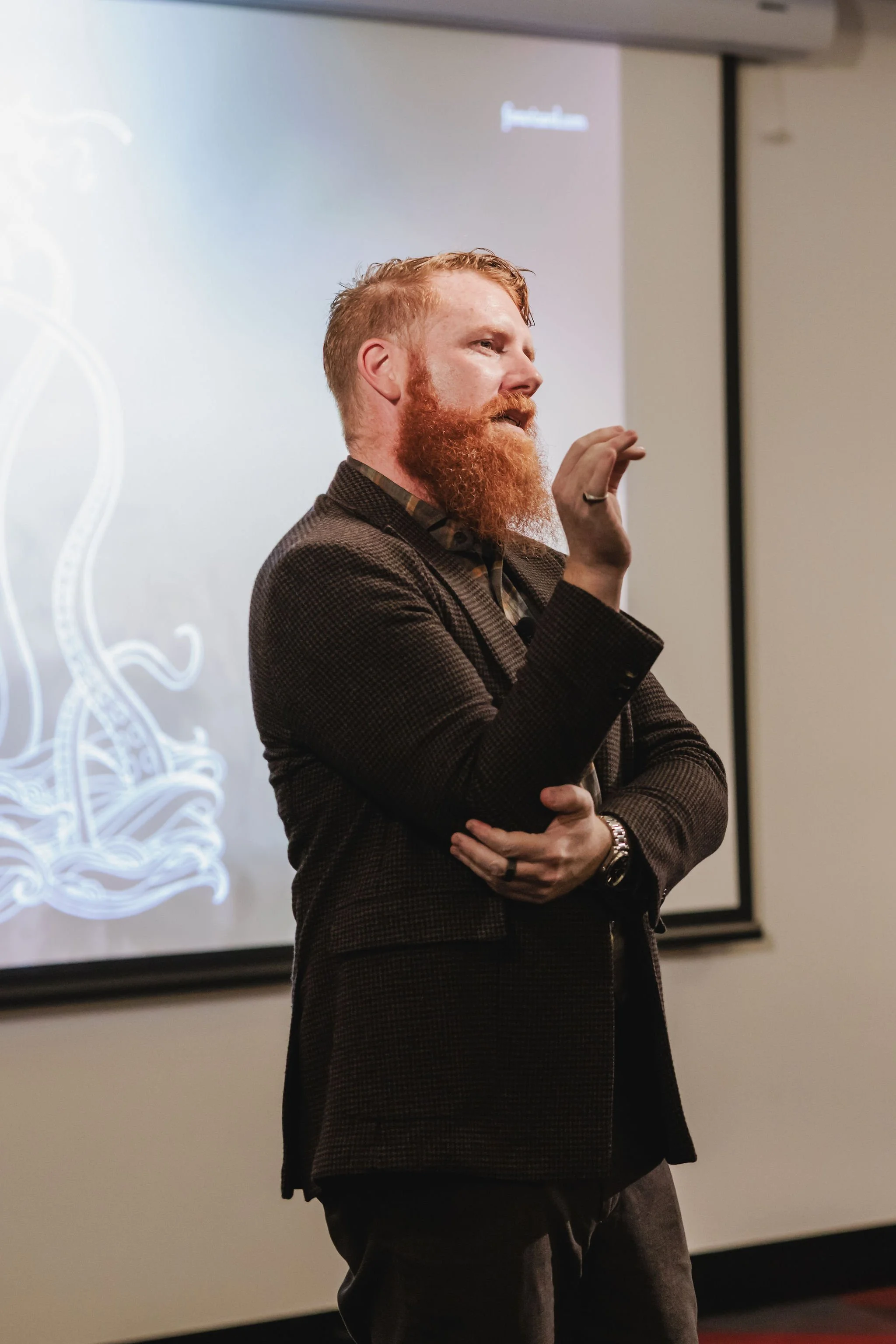
I won't pretend the choice was without cost. My colleague Mariana Morris and I brought our whole team to Hobart, and encouraging people to travel for a brand-new alternative legal festival was tough. Our numbers were likely affected by both the geography and the timing, which landed close to several other conferences (unknown to us when we locked in the date in January). But as my co-founder Yule says, ‘it's not an adventure unless there's something to overcome’. Convenience and experience are not always well-married — and I know which one I'm in the business of creating.
Why a Legal Festival?
Professional services conferences are regularly underwhelming. Delegates sit listening to speakers who paid for the privilege of taking the stage, and somewhere in the audience, a lawyer who got into this profession to change something wonders how they ended up being sold to rather than learning. LexNova Guild stands in opposition to the ‘pay to play’ speaker model. Communitas stands for meaning in work, and for reconnecting lawyers with the reason they chose a life of service in the first place.
When we designed Communitas, we made a foundational decision: no one pays to speak. People are invited because of the quality of their ideas and the depth of their expertise. The pay-to-play model that dominates commercial legal events compromises the information delegates receive and insults the intelligence of everyone in the room. We wanted the kind of event where you can't buy your way onto the stage, and where a lawyer thinks, I was in the room when this happened.
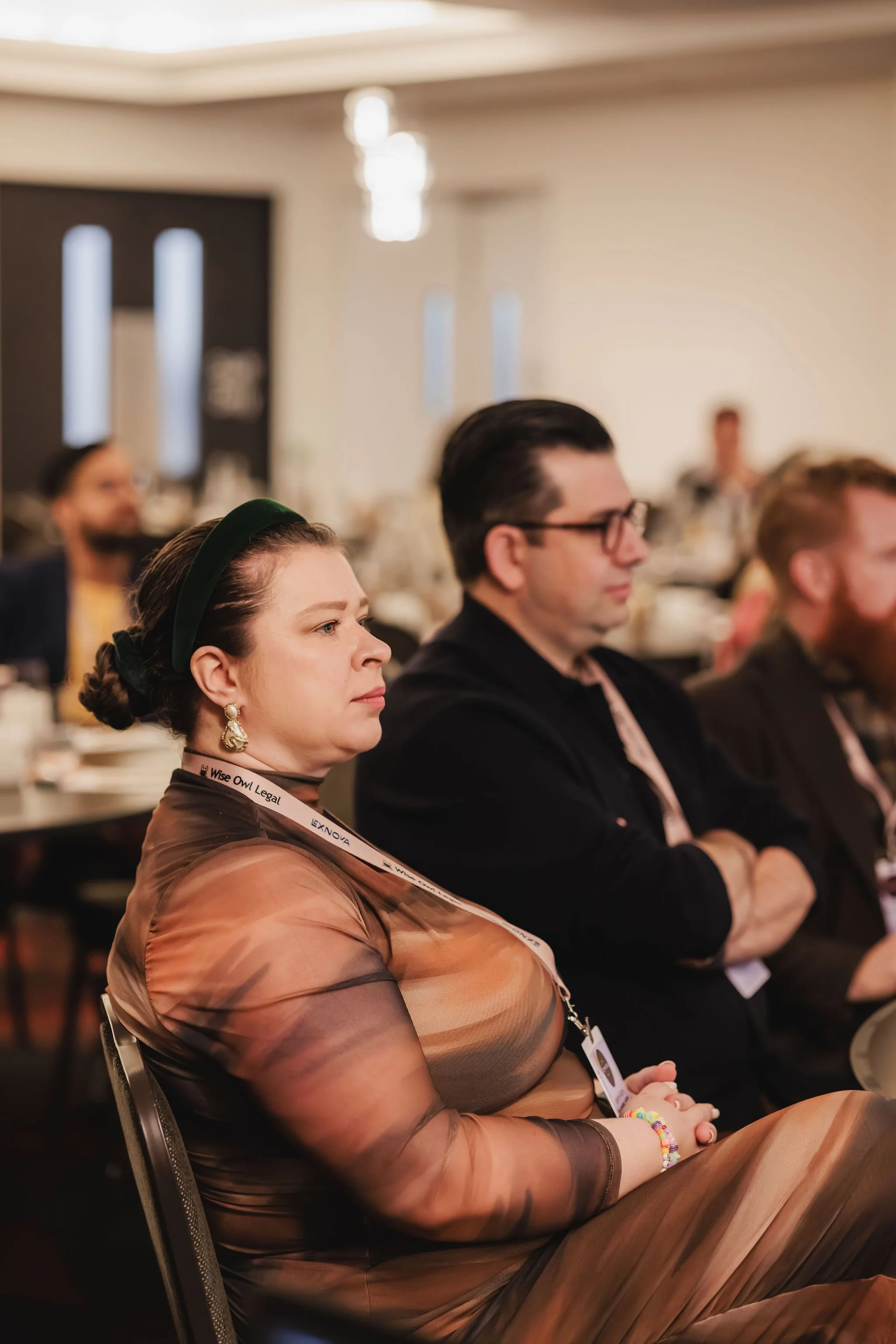
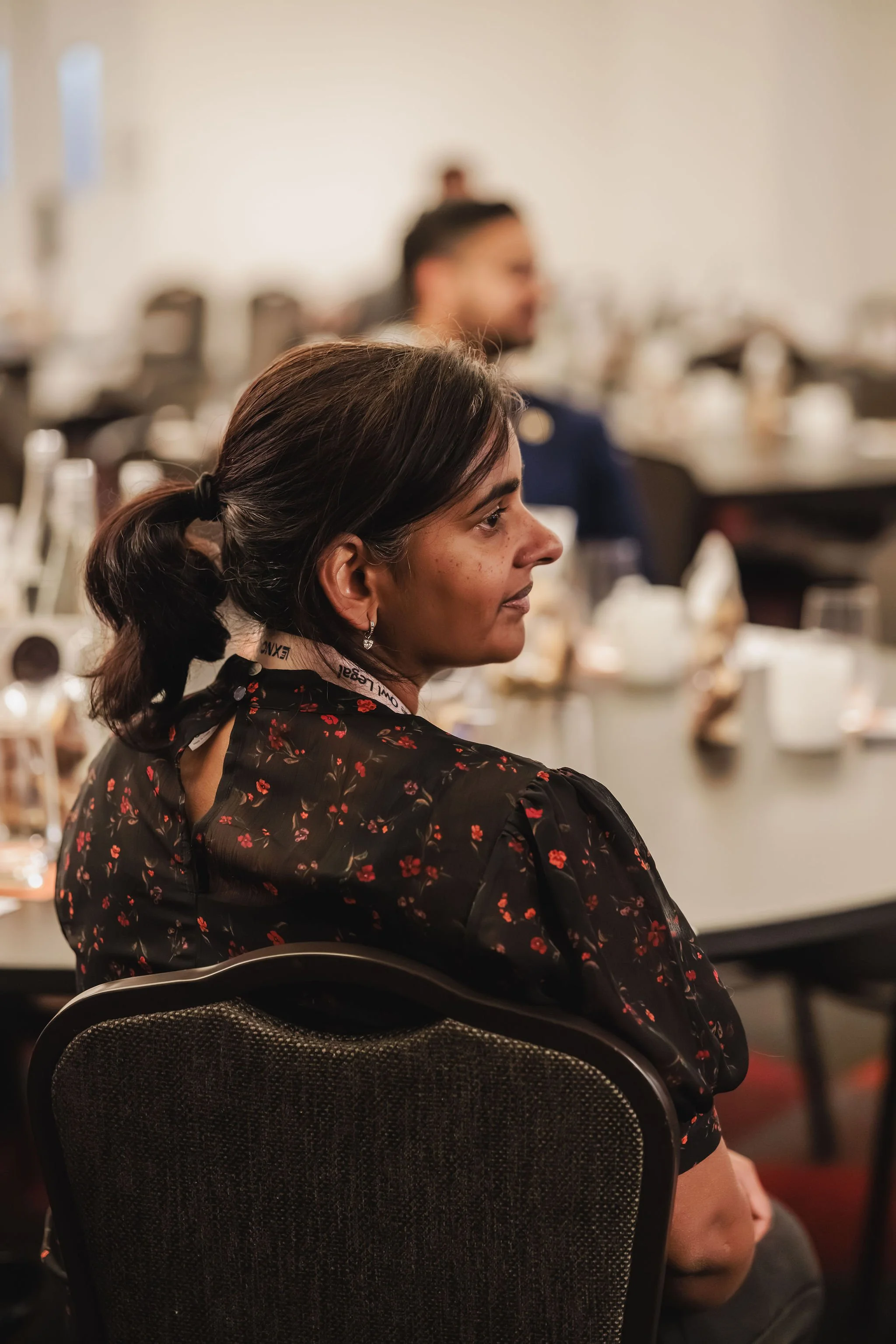
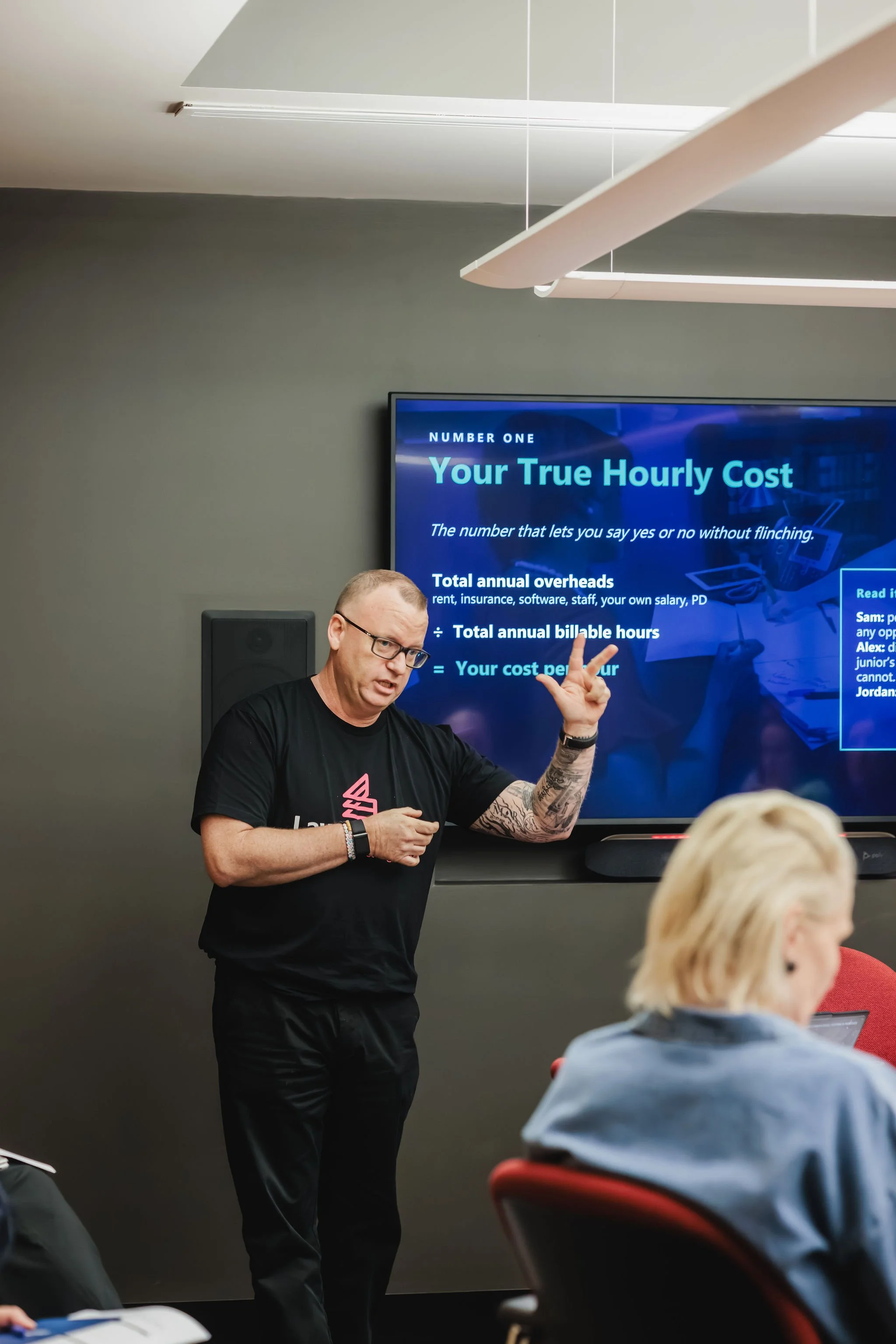
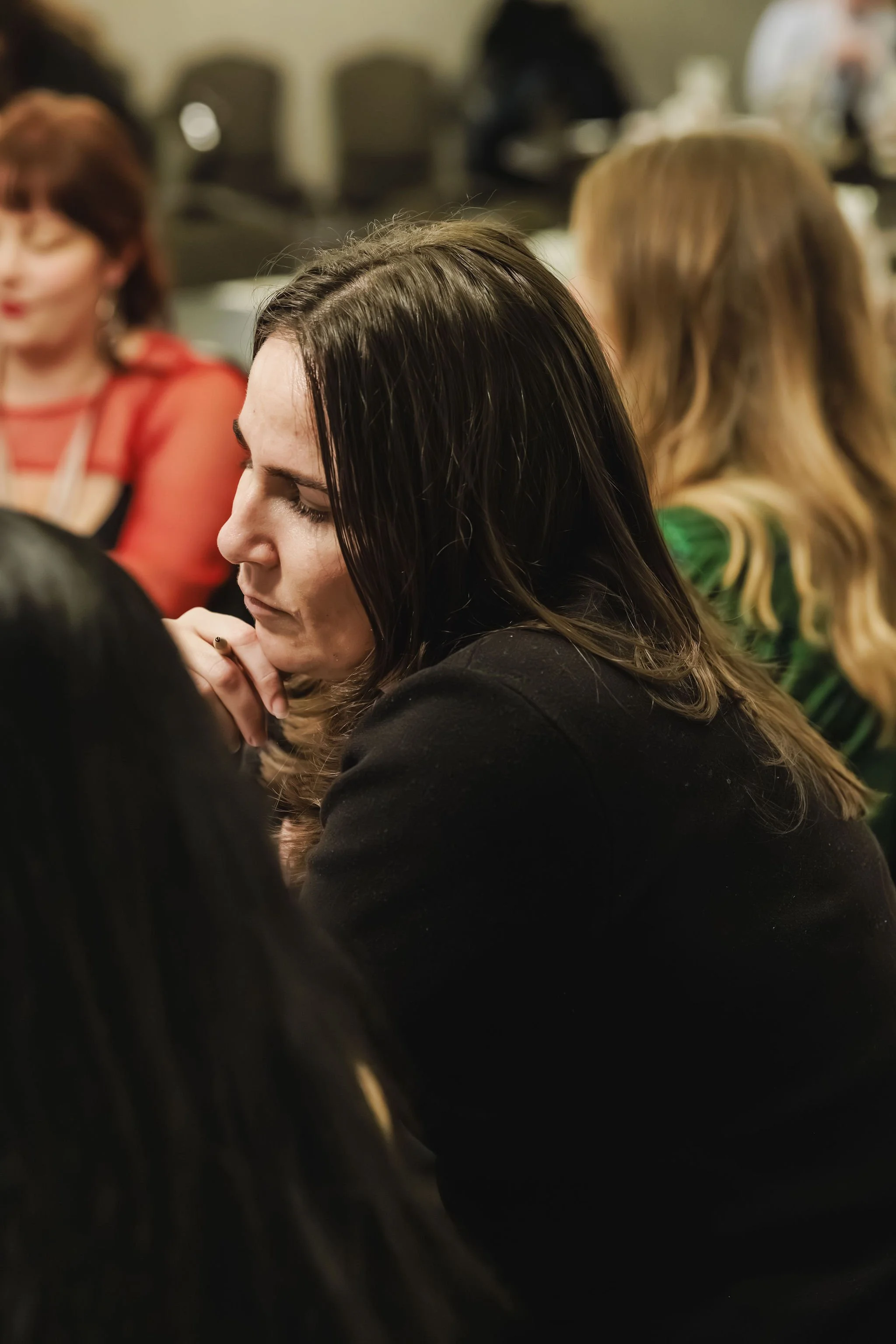
There's also something irreplaceable about gathering in a space that none of us control. It equalises. It flattens hierarchies. It creates conditions for political imagination — and that's why in-person gathering sits at the heart of what LexNova Guild does, beyond Communitas and across our events nationally. We have a boutique screening of Prima Facie in August, and something exciting coming to Brisbane in November. A high-trust community needs real rooms to grow in.
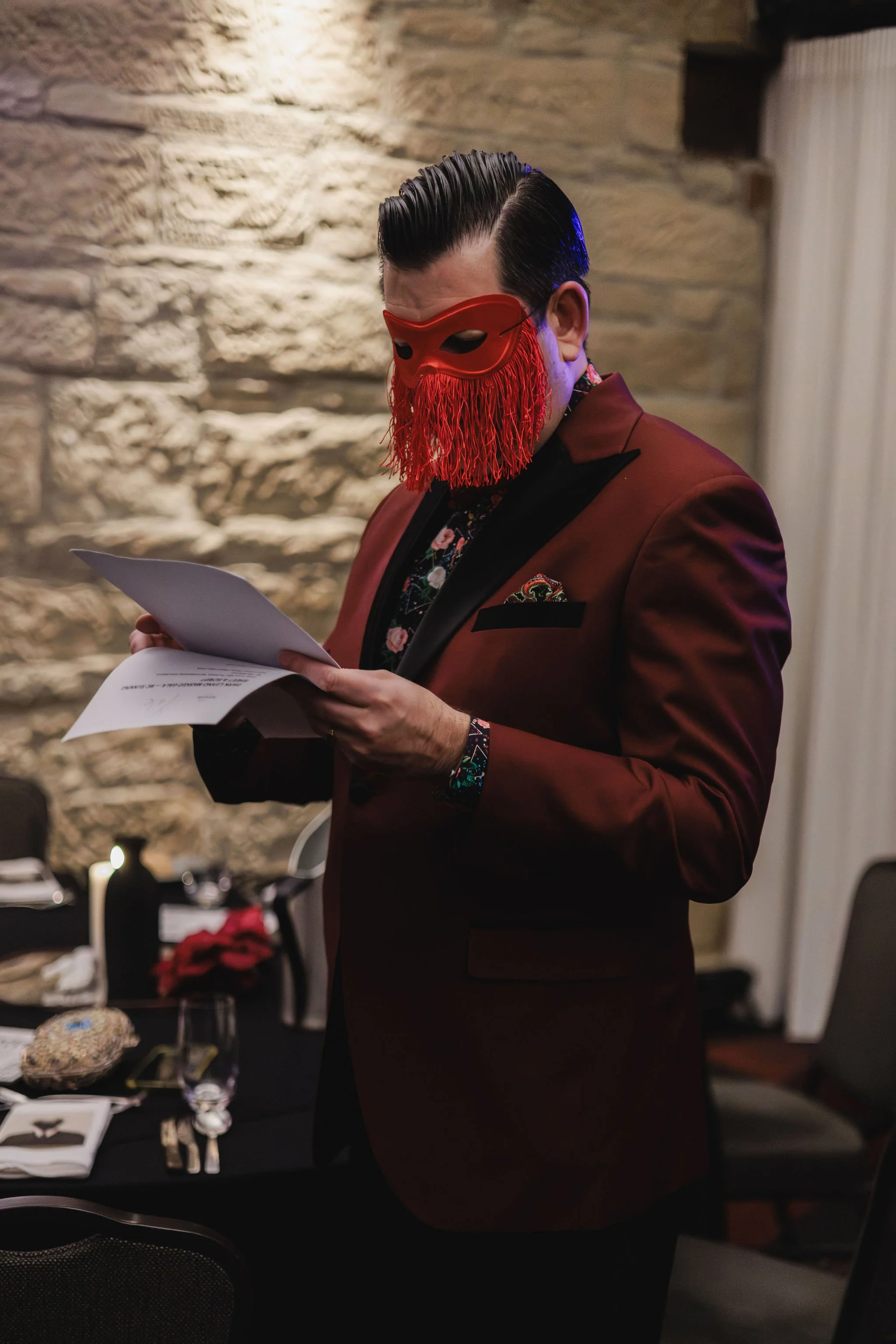
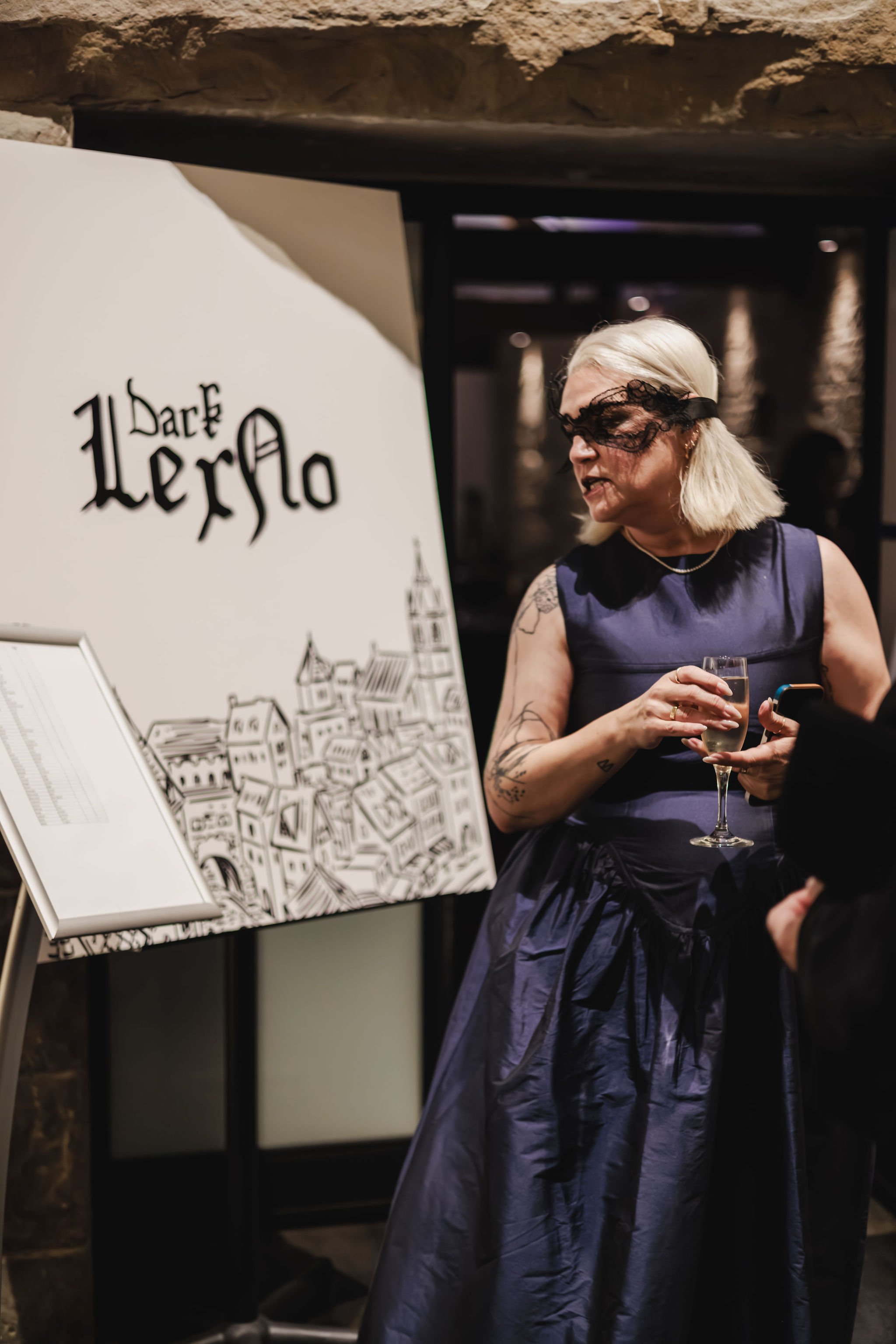
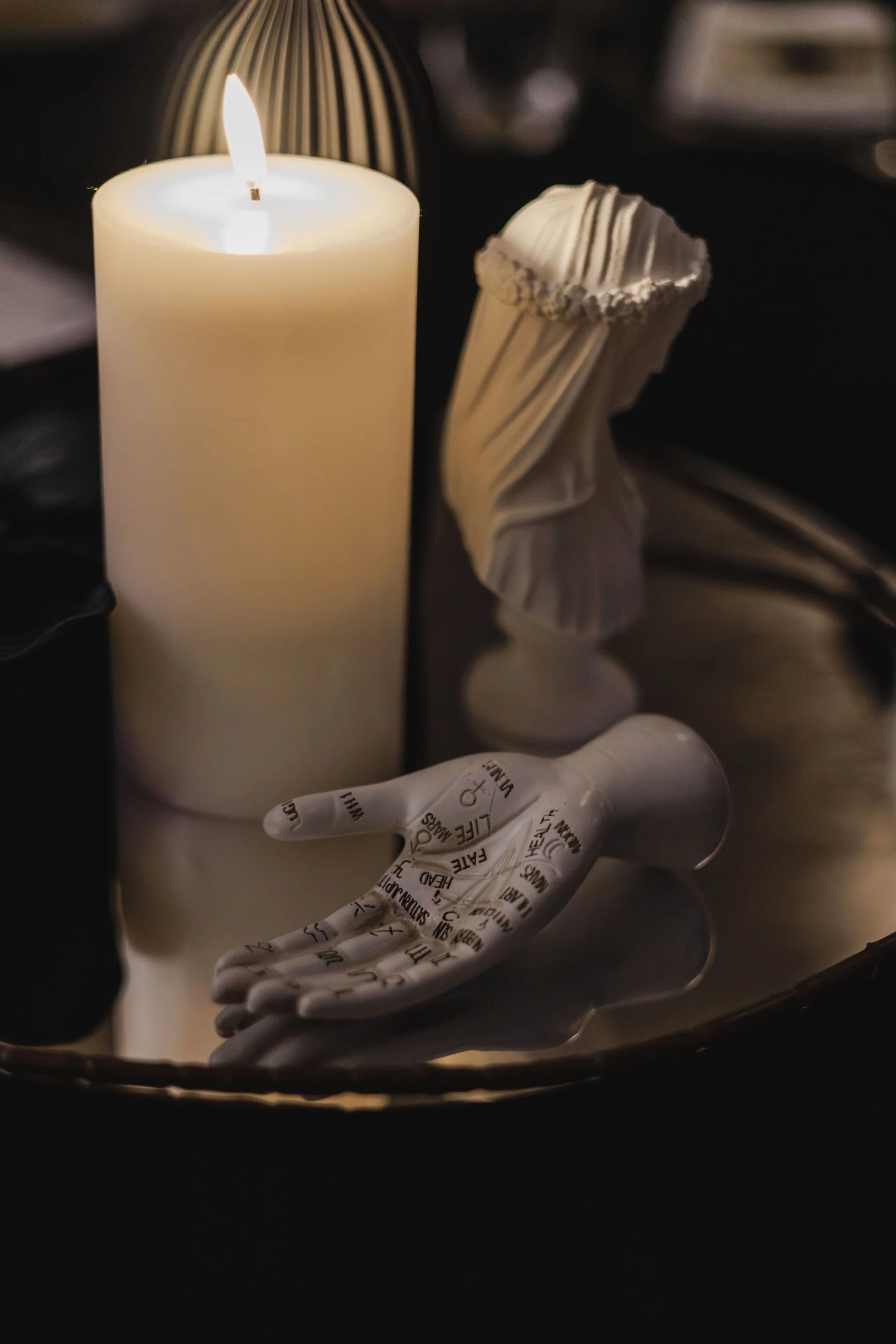
The cost of Communitas wasn't truly financial — our first-round sponsors carried us to break even. The cost, of course, was energy. Mariana and I did everything: every line of copy, every piece of art direction, every sponsor relationship, every invitation to attend. The Dark LexNo Ball alone, with its daguerreotype table photos and deliciously risky party game, required care that doesn't show up in a budget spreadsheet. But when I see people glow talking about Communitas '26, I know that price of love and effort is worth paying. While I have this energy, I will spend it on work I believe in.
Three Joys of Communitas '26
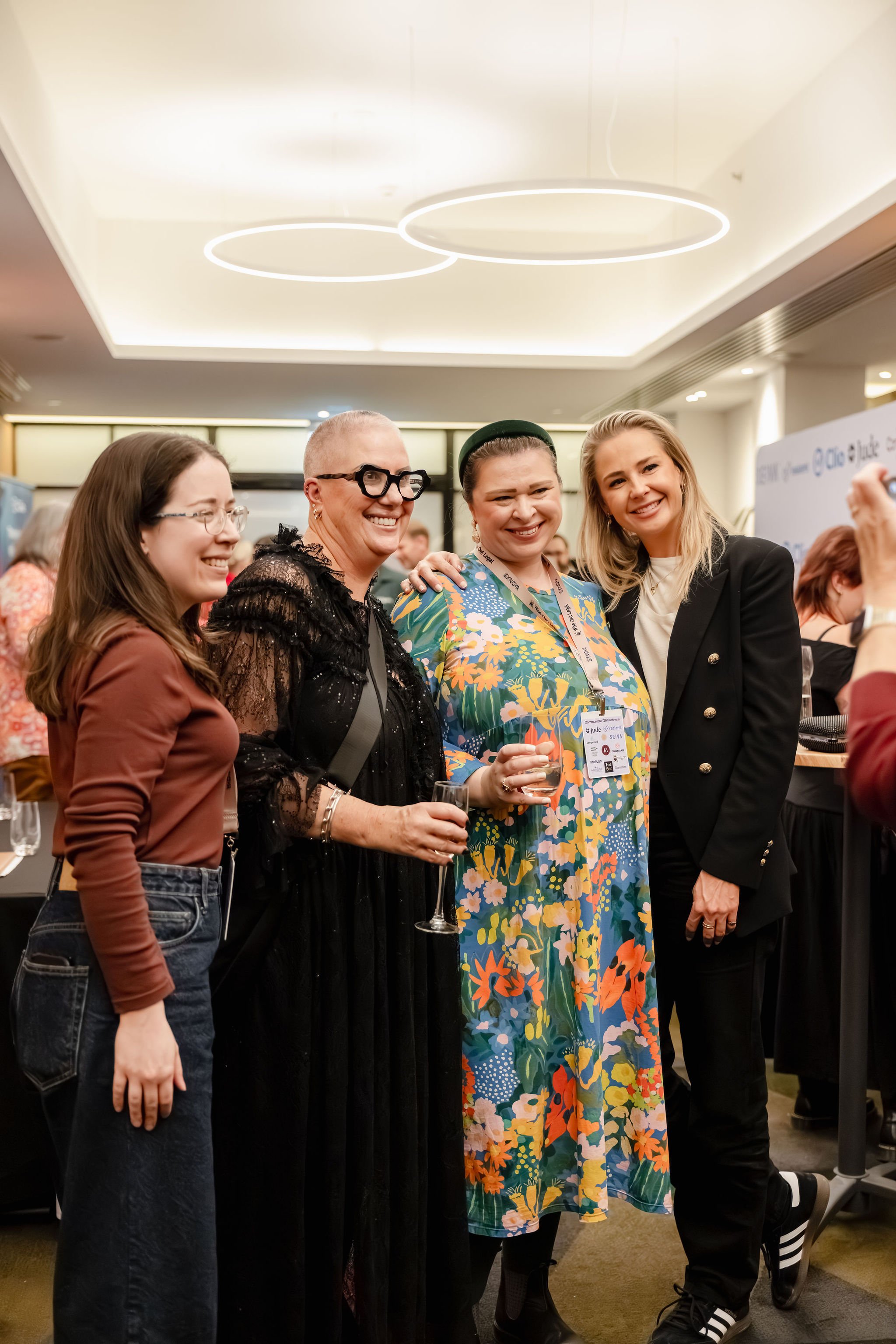
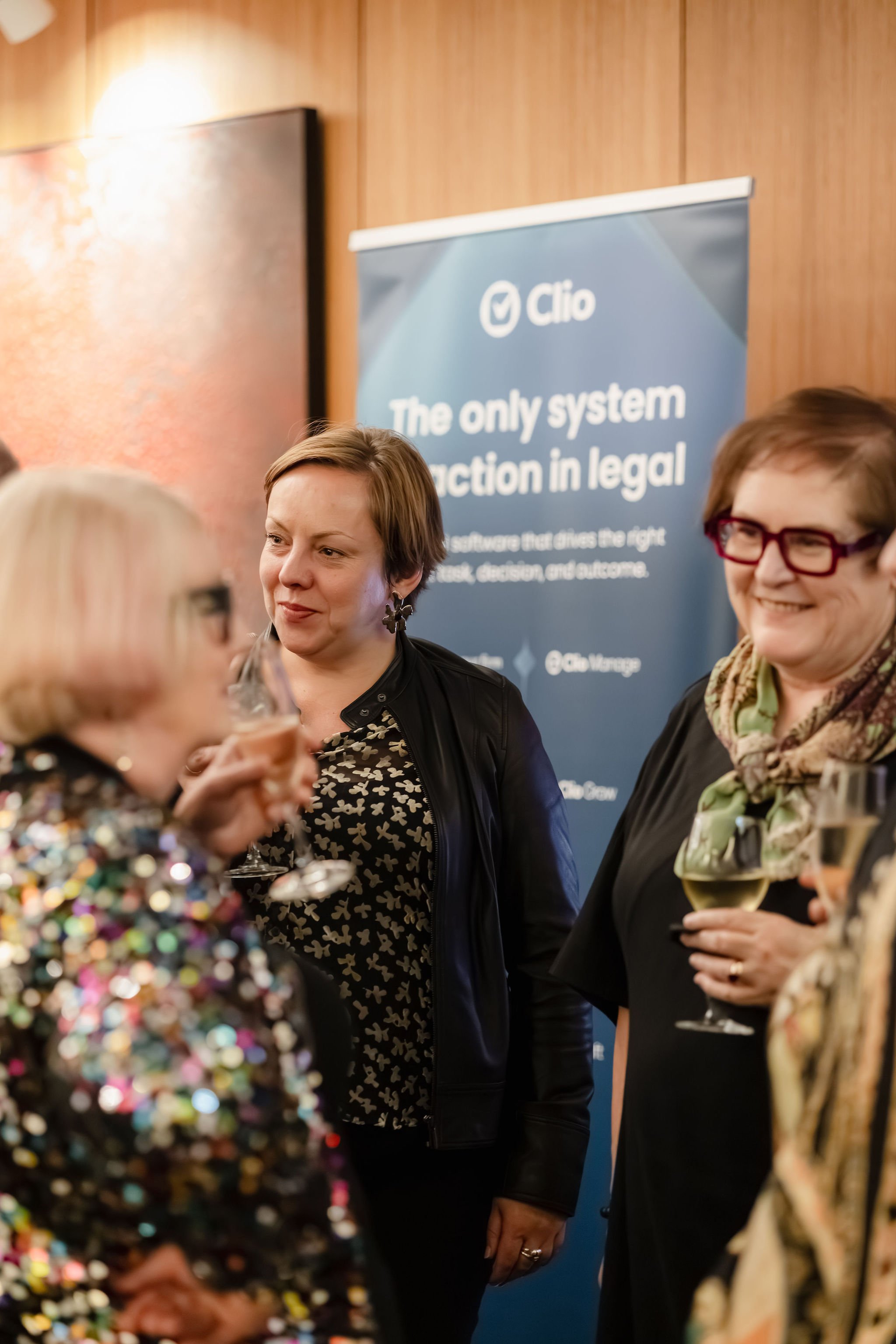
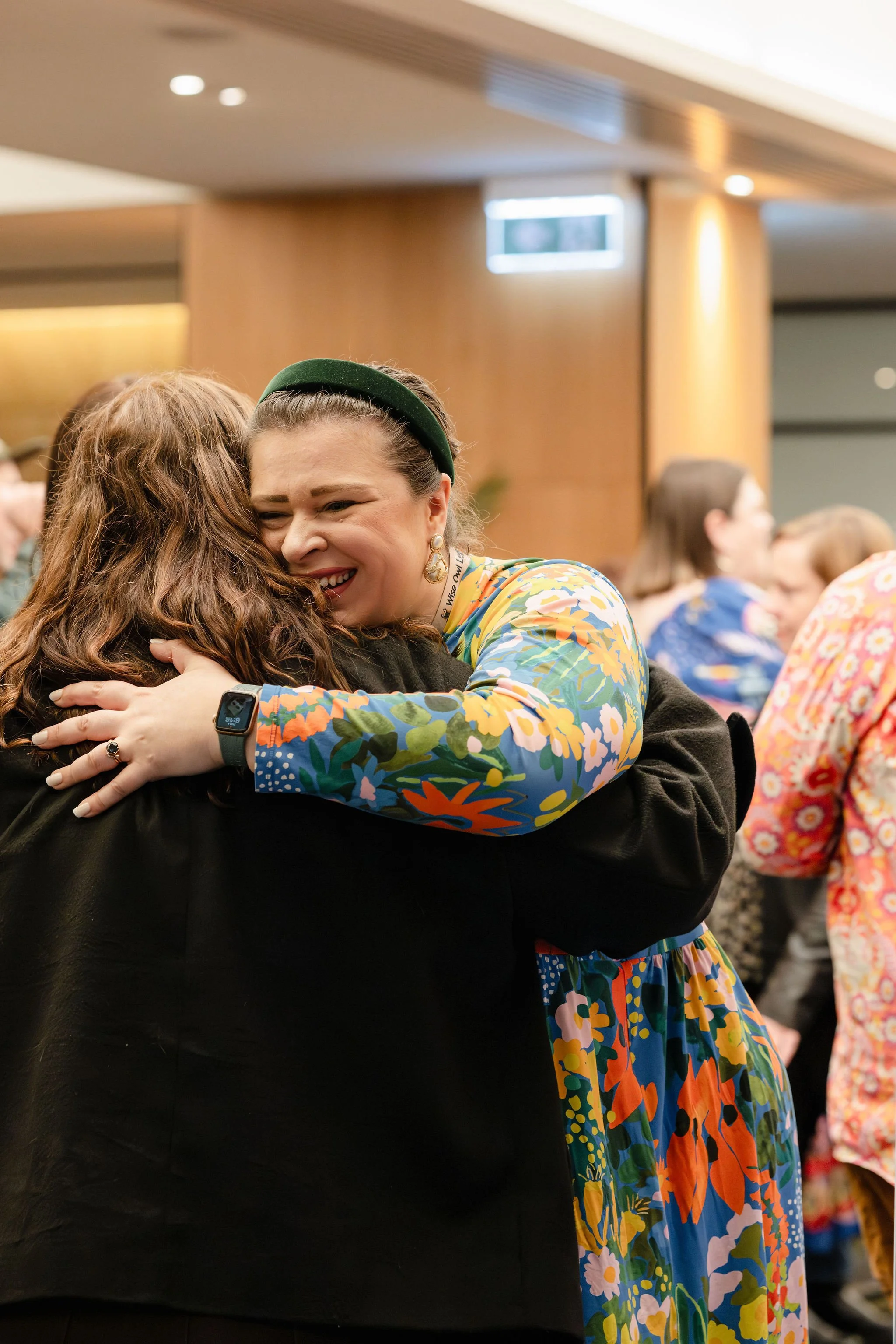
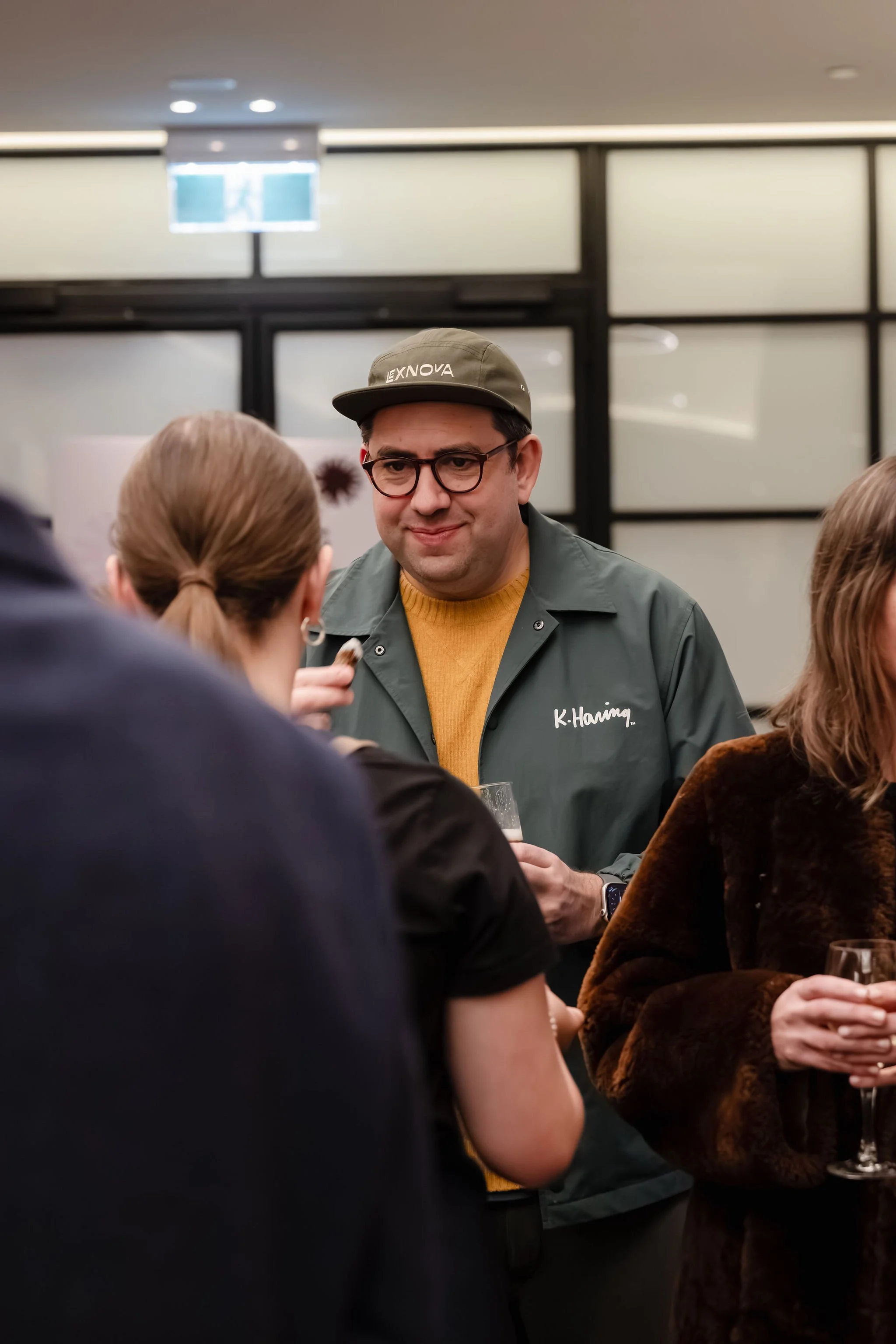
The first came before a single session had begun. Walking into the RACV Hotel for our VIP Welcome Aperitivo, I saw it all at once — Clio's embroidery station, Jude AI, Real AML, the design Mariana and I had poured ourselves into, and LexNova Guild members from across Australia, smiling, present, there. My heart soared. We had willed this into existence and here we all were. That moment of arrival — this is real, we made it happen — is one I will carry for a long time.
The second joy was quieter. Hearing Auntie Delia Summers deliver her Welcome to Country in Nipaluna felt important in a way that went beyond ceremony. Tasmania's history demands acknowledgement — you cannot gather on that island with integrity and sidestep it. Auntie Delia's welcome was personal, instructive, and grounding. It set the right tone for everything that followed.
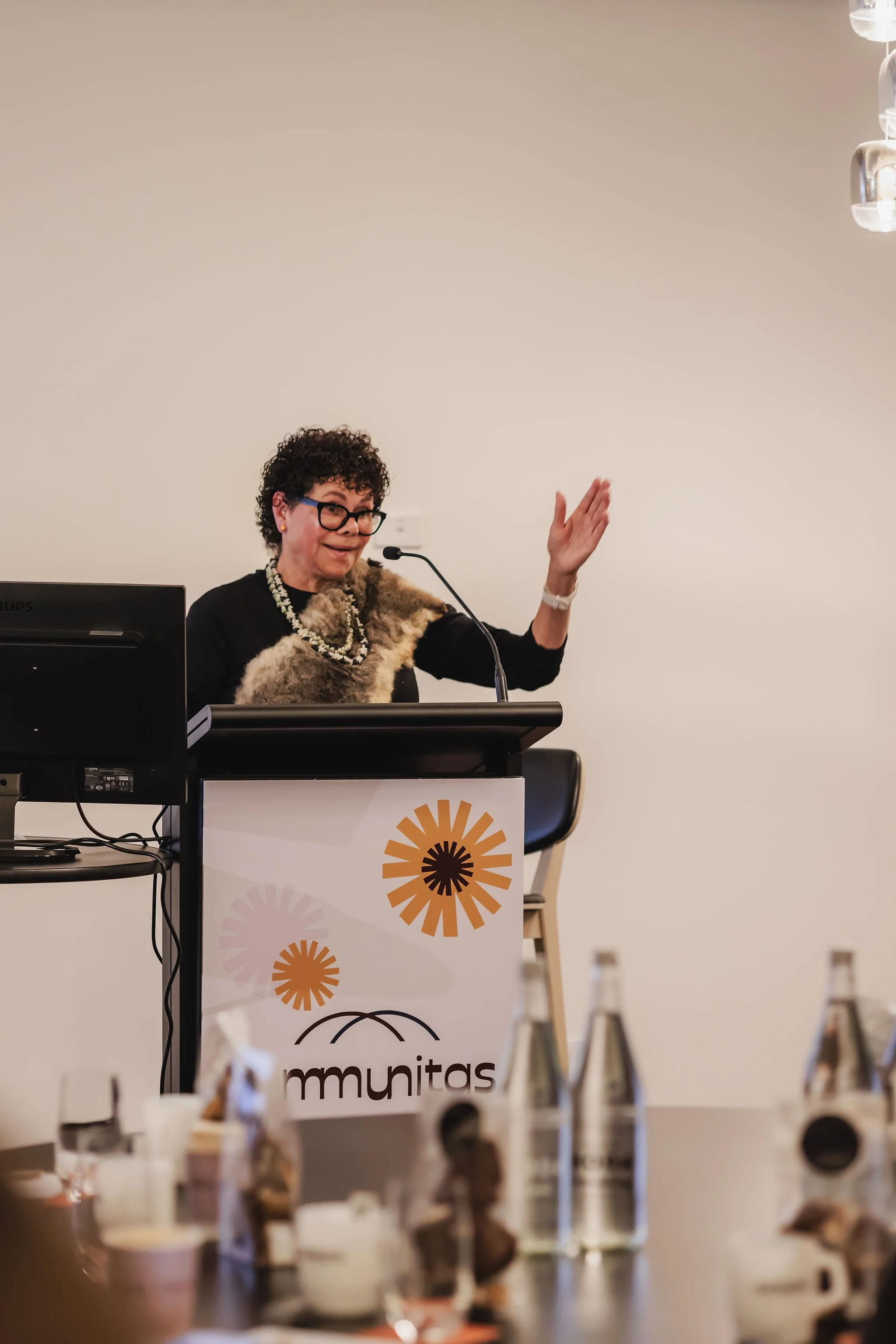
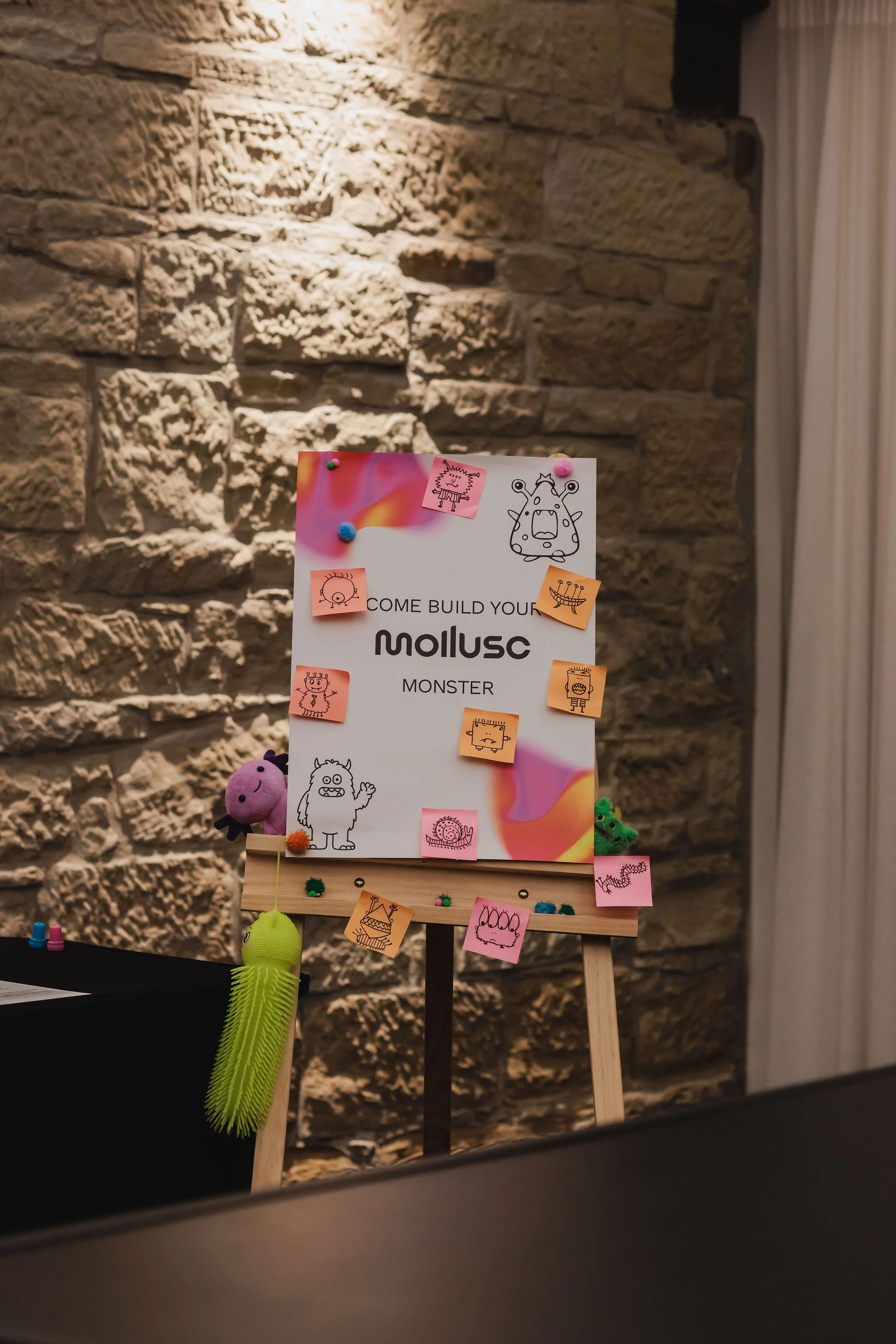
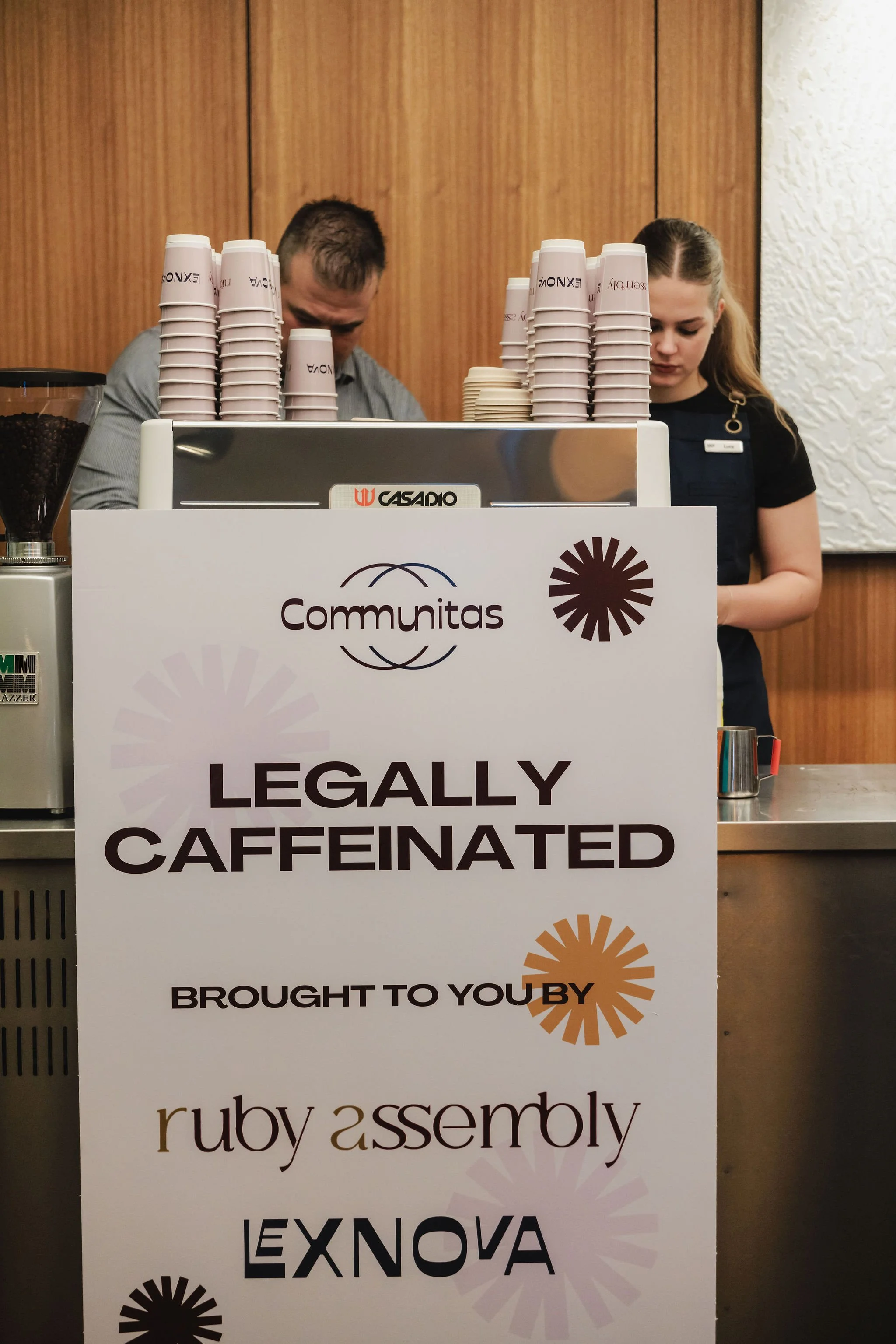
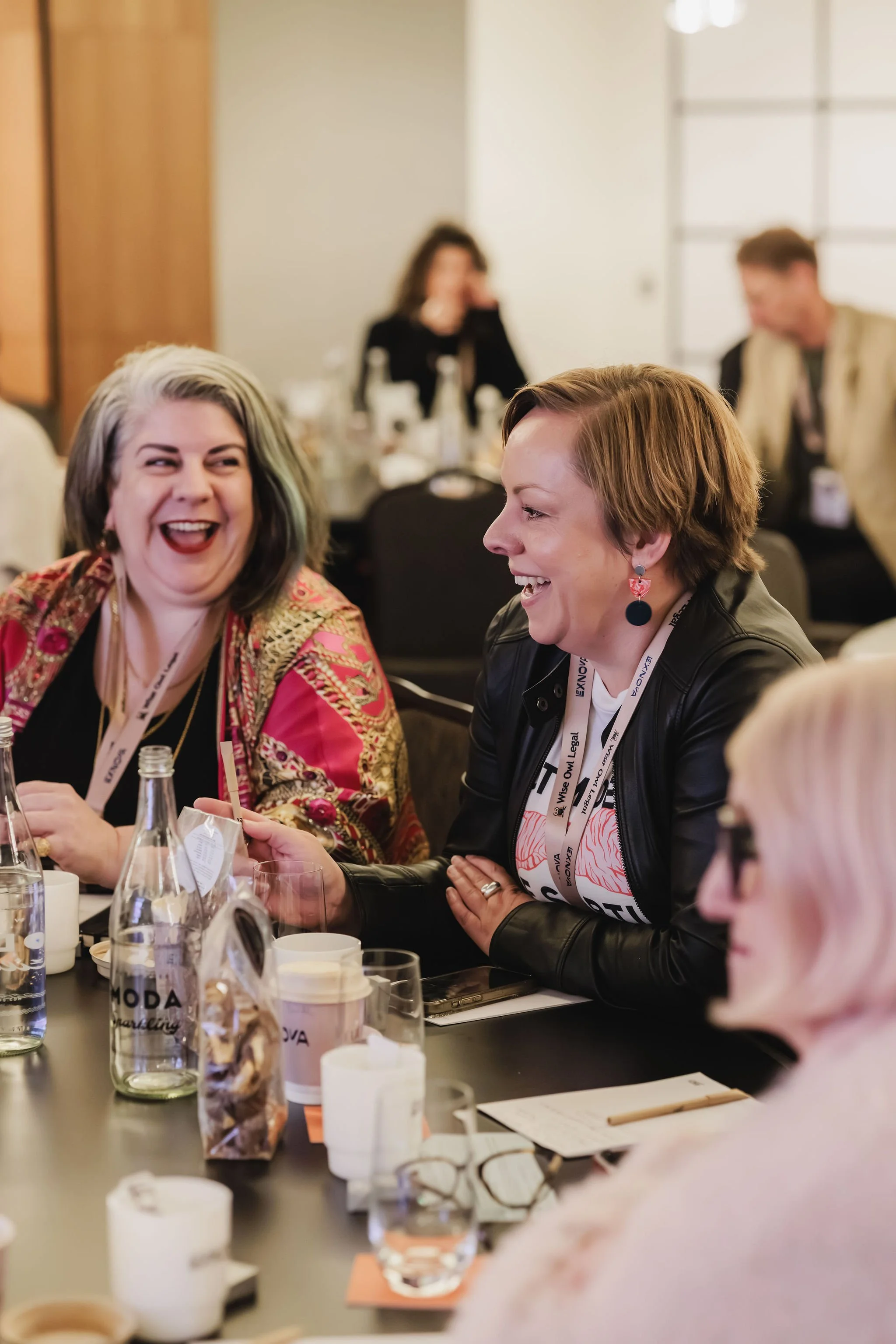
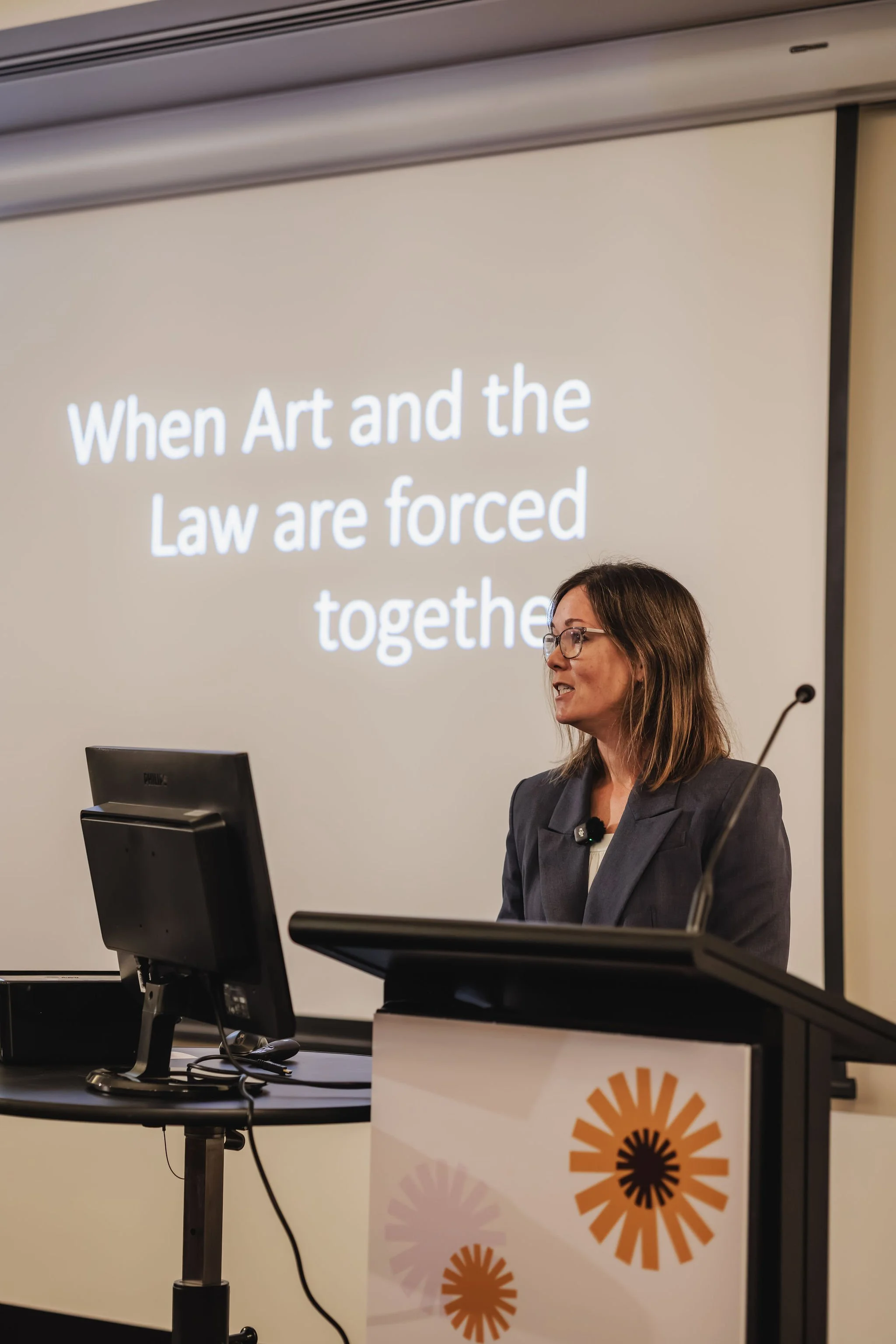
The third joy was the high point of the three days. Barrister Catherine Scott's talk on the intersection of art and law was extraordinary — a hero's journey, not of a technician of the law but of a human being whose life experience shaped an outcome. Speaking about her representation of MONA for the Ladies Lounge case, she traced how her own humanity had been present in the courtroom, in the work, and ultimately in the result. When I asked Catherine whether her role as Barrister was an act of art, and she said yes — and that was the moment Communitas '26 gathered its full weigh. This is what LexNova Guild advocates: that lawyers are not workman's tools. They are agents of social change.
Two Hard Truths
I am, by nature, an optimist. So I'll be honest about where Communitas '26 fell short of my hopes.
The first disappointment was the response from the broader Tasmanian legal community. Those who did attend from Tasmania were some of the most progressive, engaged, forward-looking people in the room — their presence was so welcome and so valuable. But I had assumed a city like Hobart Nipaluna, which rarely sees serious legal conferencing let alone an alternative festival, would greet this with excitement. Most of our attendees came from interstate.
The local Law Society showed no interest in engaging with us. I can only speculate why — competition, unfamiliarity — but the lack of collegiality was surprising. We were trying to bring something to Tasmania, to include as many firms and legal bodies as possible, and to do something meaningful for a community that deserves more national dialogue. The closed response was unexpected.
I raise this because it illustrates something real about the resistance progressive legal ideas still encounter — even where they might be most needed. We will work in Tasmania again, and we will show up with the same openness we brought in 2026.
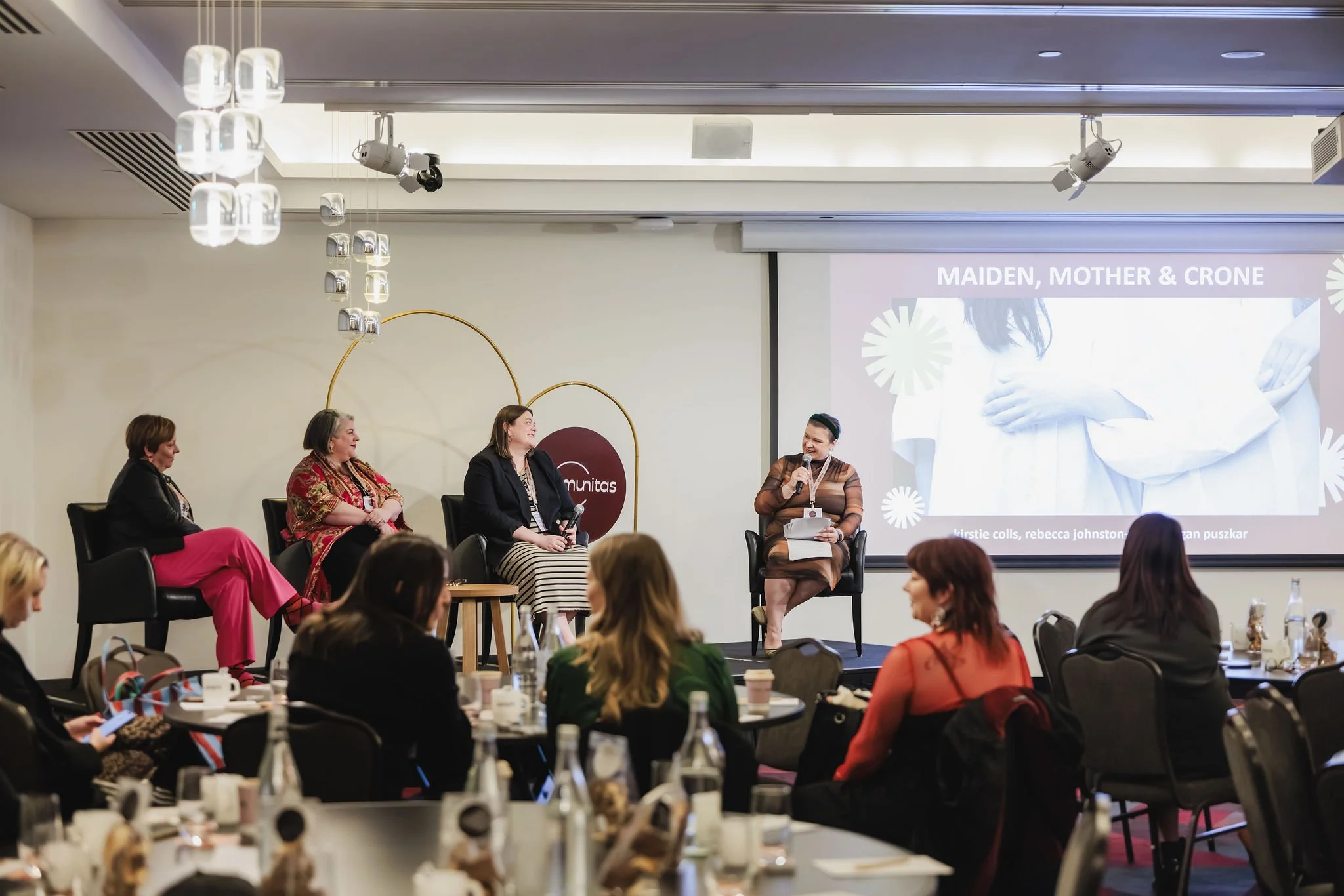
What Communitas '26 Tells Us About the Next Generation of Progressive Australian Law
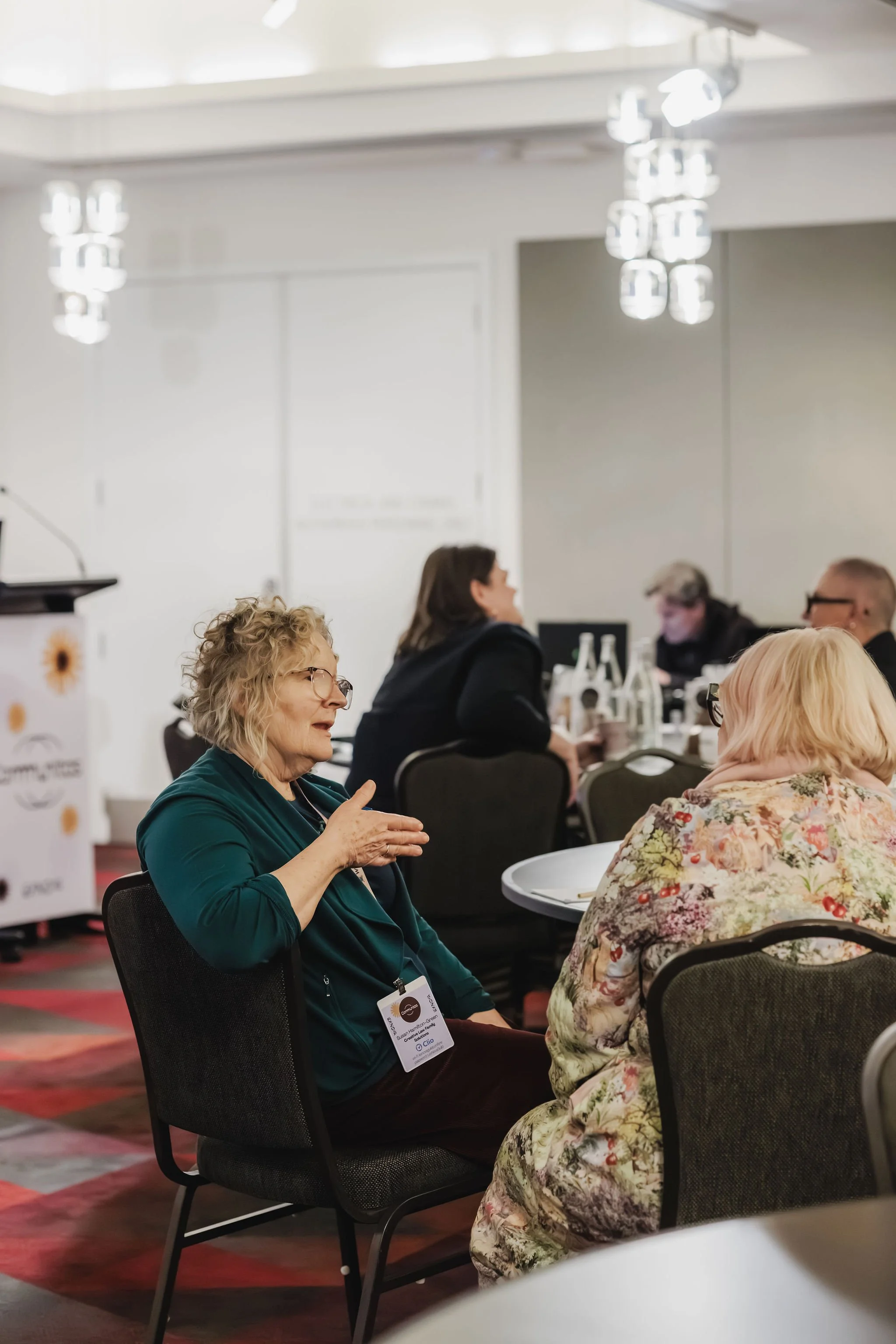
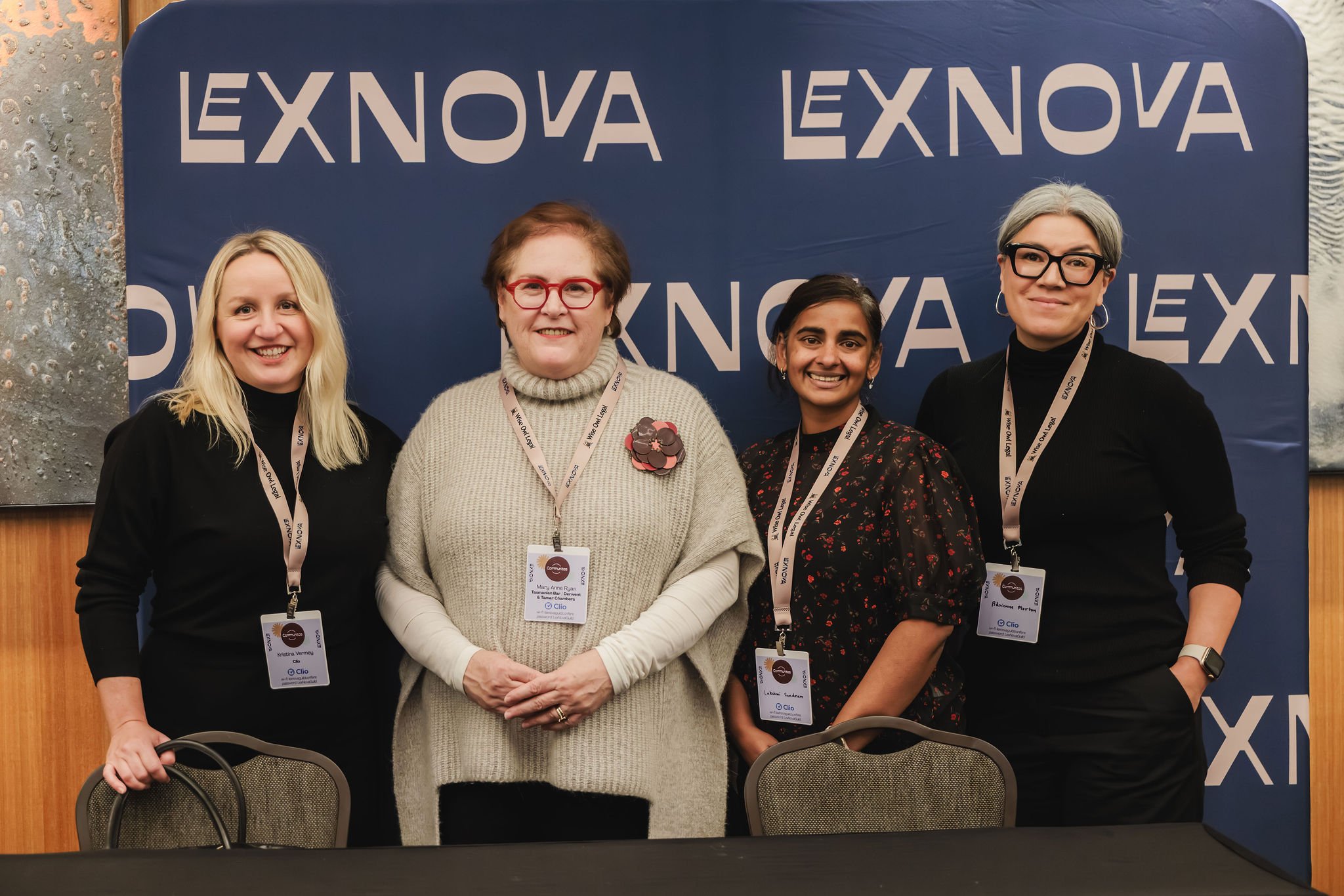


The existence of LexNova Guild and Communitas '26 tells us something important: there is a driving force at the heart of independent Australian legal practice that wants more. Greater equity in outcomes. Genuine representation of diversity. Power redistributed toward the people the law is supposed to serve.
Lawyers who leave big law are not exiting for pecuniary reasons. They are leaving to live in coherence — walking away from six-minute billing, from patriarchal expectations of total availability, from the quiet crushing of the self that comes from years of being what the institution needs rather than who you are. They want to deliver legal services differently, alongside and fore people who understand why that matters.
This is what LexNova Guild's co-opetition model is built on: the belief that all ships rise together. That independent lawyers are not each other's competition but each other's community. That the hopefulness required to build something new is not naivety — it is gumption. And gumption, applied collectively, is how change actually happens.
We must remember why we became lawyers. We are not administrators. We are not cogs. We are what stands between citizens and chaos, between people and systems that would otherwise grind them down unchallenged. That means we have the power — and the obligation — to change not only how we work, but the standards by which law is executed for and against every person in this country.
Communitas '26 was one room, in one winter, in one gothic city at the bottom of the world. But the conversation it held was national. And it is only just beginning.